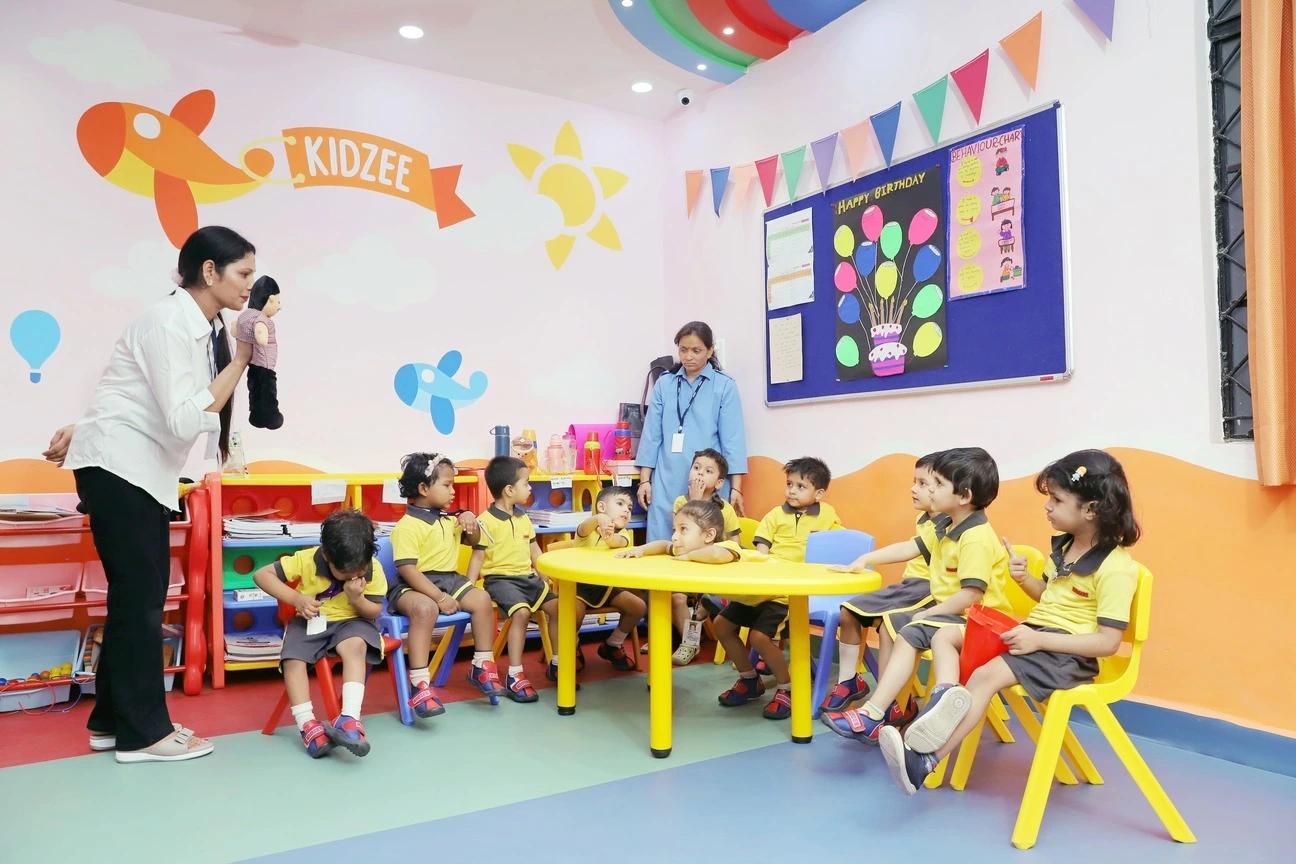
Why Early Childhood Education is Crucial for Kids (2–6 Years)
Early childhood education (2–6 years) builds brain development, social skills, and confidence, forming a strong foundation for lifelong learning and success.
New Delhi: Early childhood education, particularly for children between the ages of 2 to 6 years, is emerging as one of the most critical factors in shaping a child’s future. Education experts emphasize that this stage lays the foundation for lifelong learning, behavior, and personality development, making quality preschool education more important than ever.
According to Ritesh Rai, Director of Kidzee Sagarpur, nearly 85% of brain development occurs during early childhood, highlighting the importance of structured learning environments during these formative years.
Brain Development and Early Learning Go Hand in Hand
Scientific research and classroom experience both indicate that children in the 2–6 age group are highly receptive to learning. Their brains develop rapidly, forming neural connections that influence:
- Learning ability
- Memory and concentration
- Emotional responses
- Social behavior
“Early childhood is not just about academics; it is about building curiosity and confidence,” said Ritesh Rai. “The right environment at this stage can define a child’s entire future.”
Focus on Holistic Development, Not Just Academics
Preschool education today is evolving beyond traditional teaching methods. Institutions like Kidzee Sagarpur are adopting play-based and activity-driven learning models to ensure holistic child development.
This approach focuses on:
- Physical growth
- Emotional well-being
- Social interaction
- Creative thinking
Experts believe that such comprehensive development helps children become more adaptable and confident in real-life situations.
Social Skills Begin in Preschool
One of the biggest advantages of early childhood education is the development of social and interpersonal skills. When children step into a preschool environment, they learn:
- How to share and cooperate
- Respect for others
- Teamwork and discipline
These early interactions play a vital role in shaping a child’s personality and preparing them for future academic and social settings.
Language and Communication Skills Improve Rapidly
The early years are crucial for language development. Children exposed to structured preschool environments show significant improvement in:
- Vocabulary building
- Communication clarity
- Listening and comprehension skills
Interactive activities such as storytelling, rhymes, and group discussions help children express themselves more confidently.
Cognitive Growth Through Play-Based Learning
Experts highlight that play-based learning is one of the most effective methods for cognitive development in young children. Activities like:
- Puzzles and games
- Music and movement
- Storytelling and role-play
enhance problem-solving abilities, creativity, and logical thinking.
At Kidzee Sagarpur, such methods are integrated into daily learning to make education both engaging and meaningful.
Emotional Strength and Independence
Early education also contributes significantly to a child’s emotional development. Children learn to:
- Manage emotions effectively
- Adapt to new environments
- Develop independence
This emotional resilience helps them face challenges with confidence as they grow.
Why Parents Should Not Delay Early Education
Despite growing awareness, some parents still question whether early education is necessary. Experts strongly advise against delaying preschool exposure.
“Just like a building needs a strong foundation, a child’s future depends on early learning experiences,” said Ritesh Rai.
Quality early childhood education ensures better school readiness, improved academic performance, and stronger life skills.
Conclusion: Investing Early Ensures Lifelong Success
Educationists agree that the 2 to 6 years age group is transformational. Investing in structured early childhood education helps children grow into confident, capable, and responsible individuals. With increasing competition and evolving learning needs, providing the right start has become not just important—but essential.